How to Choose the Right Dune Buggy for a Dubai Desert Ride
@getbuggydubaimag
Choosing a buggy for a desert ride is less about picking the boldest-looking vehicle and more about matching the machine to the dunes, the group and the kind of day you want. A short spin near the desert edge feels very different from a longer route over rolling sand, and the right choice makes that difference clear before the engine starts.
The first step is to decide what kind of ride you are actually looking for. Some outings focus on a relaxed desert safari with photo stops and steady driving. Others centre on off-road driving, where the route matters more than the scenery breaks. A single-seater buggy suits someone who wants full control and a nimble feel. A passenger buggy works better for two people who want to share the experience, though the extra weight can change how the vehicle responds in soft sand.
Match the vehicle to the driver
Be honest about driving experience before choosing a dune buggy. Sand is not like tarmac. It shifts under the tyres, the steering can feel lighter than expected, and momentum matters. A first-timer often benefits from a calmer vehicle and a route that builds confidence. Someone familiar with off-road driving may prefer a buggy with stronger response and more room to manage the dunes.
Pay attention to legroom, seat shape and visibility. A rider who feels cramped will tire quickly, and a rider who cannot see clearly will hesitate at the wrong moment. If passengers are joining, check that they can sit comfortably without interfering with the driver. The best choice is one that feels manageable before anyone worries about speed.
Check the route and the pace
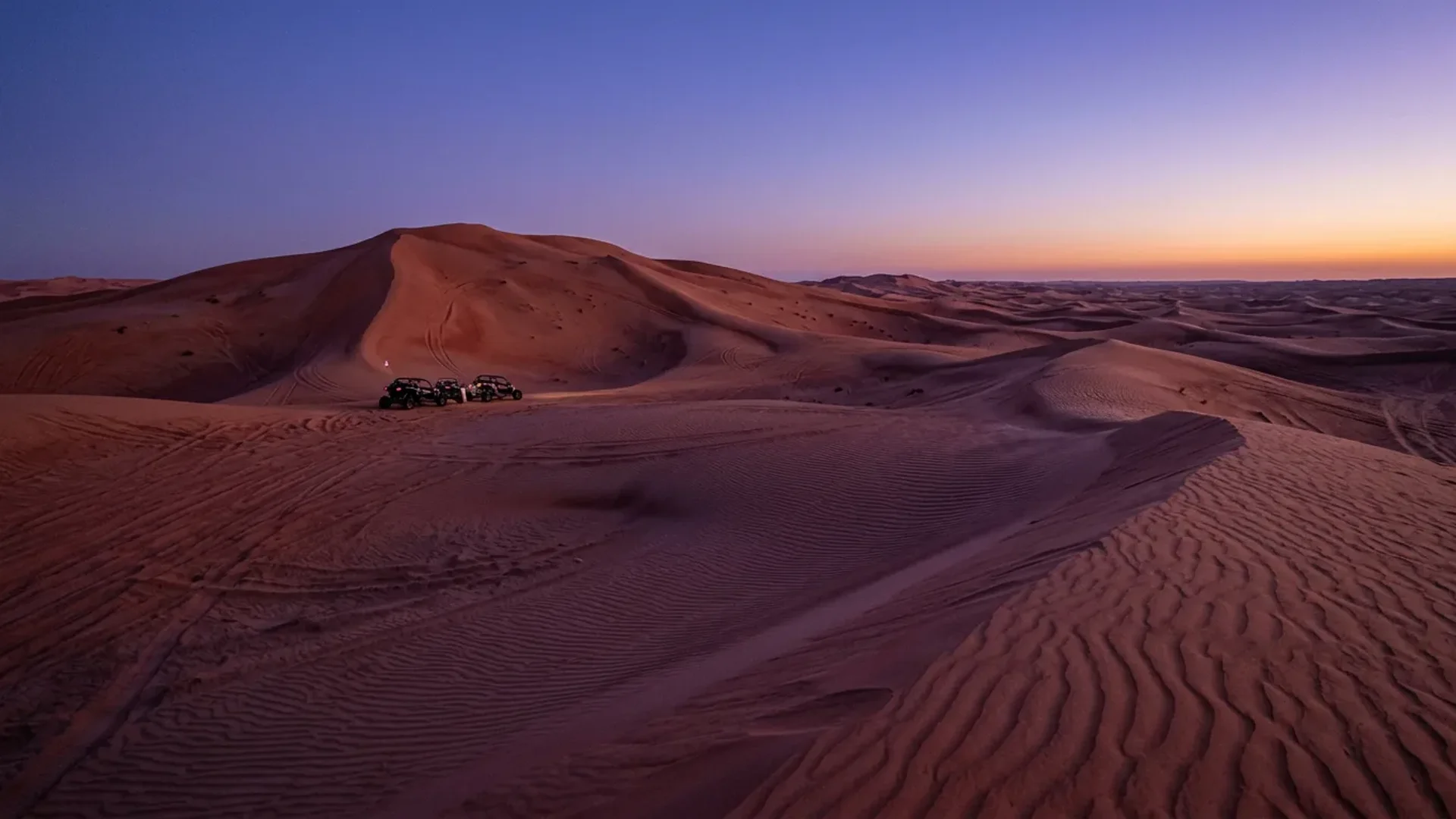
Ask what the outing includes beyond the vehicle. Laps and tours can be quite different. Short laps may repeat a compact area and suit people who want a quick taste of driving. Longer tours usually cover more ground and may include stops, turns and stretches of deeper sand. The route should fit the group's comfort level, not just the vehicle's capability.
Pace matters as much as distance. A route with frequent stops gives new drivers time to reset. A fast route with few breaks asks for more focus. If the day includes children or less confident riders, a steady pace is usually the better choice. If the aim is a more energetic ride, look for a route where the terrain allows that without pushing beyond the group's skill.
This is where buggy dubai becomes more than a search phrase. It points to a choice shaped by desert conditions, vehicle type and the kind of outing that feels right for the people going. A sensible pick starts with the route, then works backwards to the buggy that fits it.
Look closely at safety gear
Safety gear should be part of the decision, not an afterthought. A helmet that fits properly is basic. gloves can improve grip, and eye protection helps when sand lifts in the air. Closed shoes are a sensible choice because feet need protection around pedals and rough edges. Loose clothing can catch, so fitted clothing is usually better for driving.
Ask how safety is handled before the ride begins. A clear briefing helps drivers understand hand signals, stopping distance and what to do if the group spreads out. Rules about following distance matter in sand, where a vehicle can slow or slide in a way that surprises the person behind. If the explanation feels rushed, treat that as a sign to slow down and ask more questions.
Understand the controls before committing
Every buggy has a feel of its own. Steering response, throttle sensitivity and braking behaviour can vary even among vehicles that look similar. Before choosing, find out whether the vehicle is automatic or manual, and whether the driver will need to manage gears during the ride. New drivers often find an automatic easier in sand because it removes one more task from an already busy moment.
It is also worth asking how the buggy behaves with a passenger. Extra weight can change the way it climbs, turns and floats over soft patches. A vehicle that feels light when empty may feel quite different with two riders. The choice should account for the full load, not just the driver.
Compare single-seater and passenger options
- A single-seater buggy gives the driver more space and a clearer sense of control.
- A passenger buggy suits pairs who want to share the ride rather than split into separate vehicles.
- A dune buggy with a lower, steady setup may feel easier for a first desert outing.
- A more responsive buggy can suit confident drivers, provided the route matches their skill.
The decision often comes down to company and confidence. Two people who want to talk through the experience may enjoy a passenger buggy. Two people who both want to drive will usually prefer separate vehicles. There is no single best option, only the one that fits the day.
Ask the right questions before booking
A few direct questions can prevent most mismatches. Ask who the ride is best suited to, how long the driving portion lasts and whether the route includes stops. Ask what safety gear is provided and what riders should wear. Ask whether drivers need previous experience, and what happens if someone feels unsure once the ride begins.
- What vehicle type fits the planned route and group size?
- Is the pace relaxed, mixed or focused on faster driving?
- What briefing and safety gear are included?
- Are there limits on who can drive or ride as a passenger?
Clear answers are a good sign. Vague answers make it harder to judge whether the ride suits you. The right buggy should feel like a natural fit for the terrain and the group, not a vehicle chosen only because it looks impressive in a photo.
Make the final choice with comfort in mind
When the practical points are settled, return to the simple test. Can the driver sit comfortably, reach every control and see the route ahead? Does the vehicle suit the number of people riding? Does the pace leave room to enjoy the sand dunes rather than merely rush across them? If the answer to those questions is yes, the choice is likely sound.
A good desert ride feels controlled from the start. The vehicle matches the driver, the route matches the group, and safety is treated as part of the experience. Take those points in order and the decision becomes much easier, whether the outing is a brief introduction or a fuller day built around off-road driving.